The Ultimate Violence
Since 1975, Vietnam has lived through long periods without war. But for many Vietnamese, the end of war did not bring an end to fear. The violence continued in another form: psychological warfare that has reached across generations and beyond Vietnam’s borders.
In the years after 1975, thousands of former South Vietnamese officers and government workers were sent to “re-education” camps, often without trial. Many endured forced labor, harsh conditions, and years of separation from their families. Their absence reached into every home: wives waited, children grew up without their fathers, and parents and siblings lived with fear and uncertainty about the men they loved.
That suffering did not end when prisoners were released. It passed from one generation to the next. Fathers, husbands, brothers, and sons—then and now—have faced imprisonment, harassment, discrimination, and threats because of their beliefs or for speaking out. Their families, too, have been made to live with worry, stigma, separation, and silence. The pressure has reached Vietnamese people overseas: distance has not always eased their fear when loved ones remain in Vietnam or when they speak up for human rights.
Many Vietnamese fled by sea or across land borders in search of safety. The exact number who died is unknown, but the loss at sea is believed to have reached the hundreds of thousands. For many, escape was a search for freedom from fear. Yet across oceans and borders, the pain of separation and concern for those left behind continued.
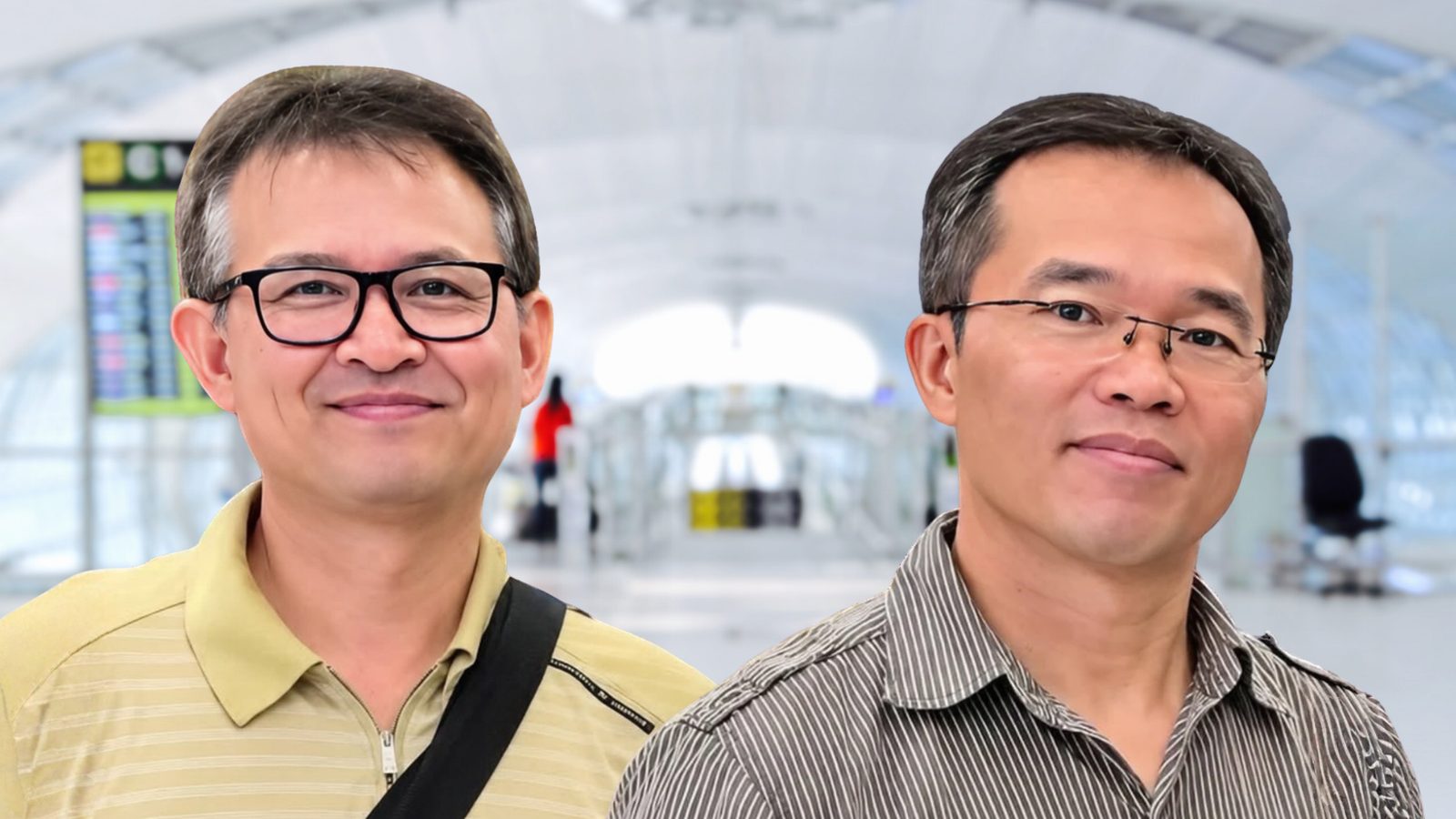
Journalists, pastors, architects, farmers, poets, teachers, and ordinary citizens have been imprisoned in an effort to break their spirits and slowly wear down their bodies. My friends Thuận and Hiệp are among the fathers, husbands, brothers, and sons imprisoned in this continuing climate of fear. Their suffering doesn’t just belong to them, but it reaches their families and communities, echoing the suffering of earlier generations.
Those of us touched by imprisonment, intimidation, ostracism, discrimination, oppression, or persecution must recognize that this suffering is shared. No generation is immune. No one is beyond the reach of psychological warfare imposed by an authoritarian government—not in Vietnam, and not always overseas.
Still, our spirit endures. We hold on to our respect for human rights and dignity, and to our commitment to act peacefully, together, and with resilience. We stand for justice and freedom, and for the dignity of every person—fathers, husbands, brothers, and sons, and all those who love and depend on them.
When we care for the suffering within ourselves, we can find the clarity, energy, and strength to respond to the suffering of others. By tending to our own pain, we can stand beside our loved ones and communities, help one another endure, and keep working toward a world without violence and psychological warfare, and with greater human dignity.